Arctic sensor networks
Connecting the Unreachable
We connect remote sensors through a self-healing radio mesh, so a whole field site shares one uplink instead of a satellite link at every station.
Tested to -40°C, with over 98% of packets delivered.
The problem
A sensor dies in October. You find out in June.
Arctic stations sit unattended for a season. When a logger fails, nothing reports it, and the gap in the record cannot be recovered.
Getting data home is priced per station, so instrumenting a site densely costs more than the field budget allows.
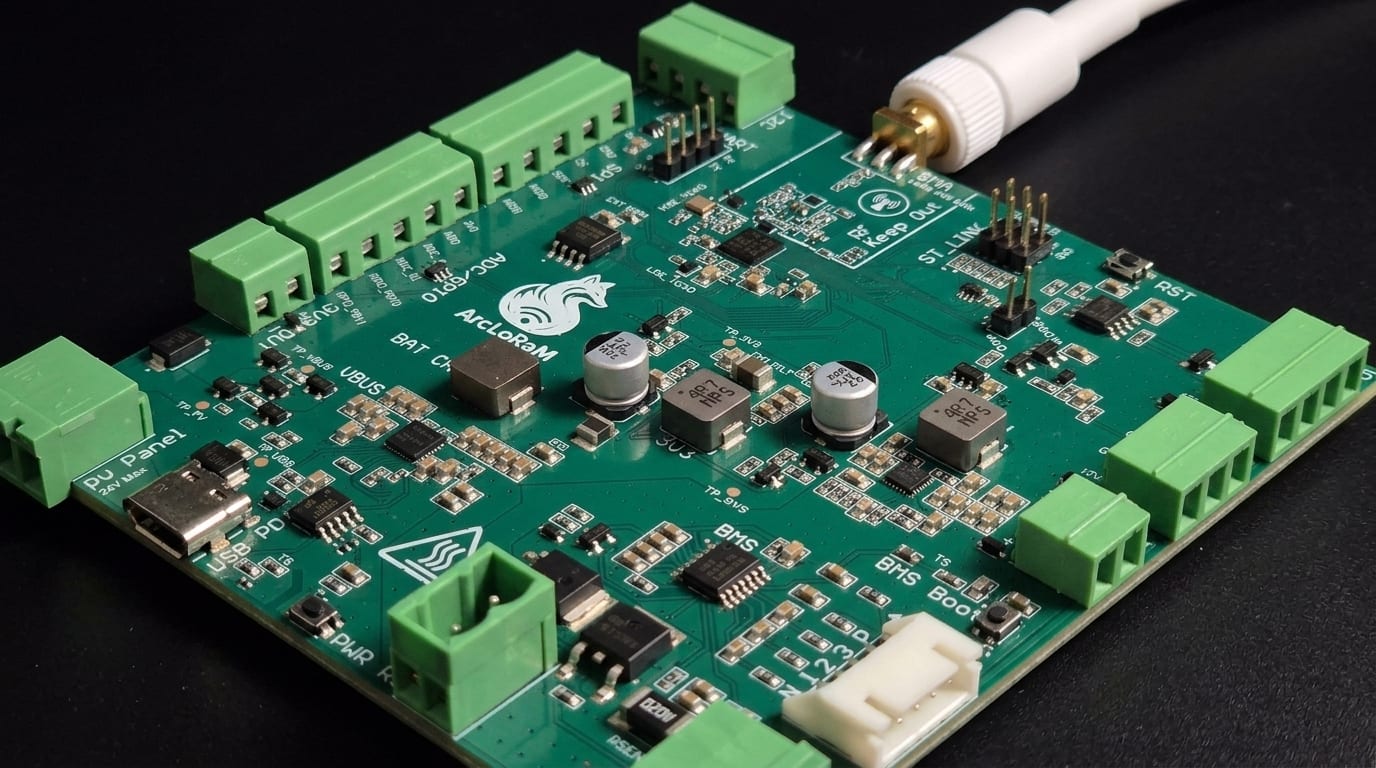
One board, three roles
The same hardware works as a sensor, a relay or the gateway. See how the mesh routes, schedules and heals.
How it works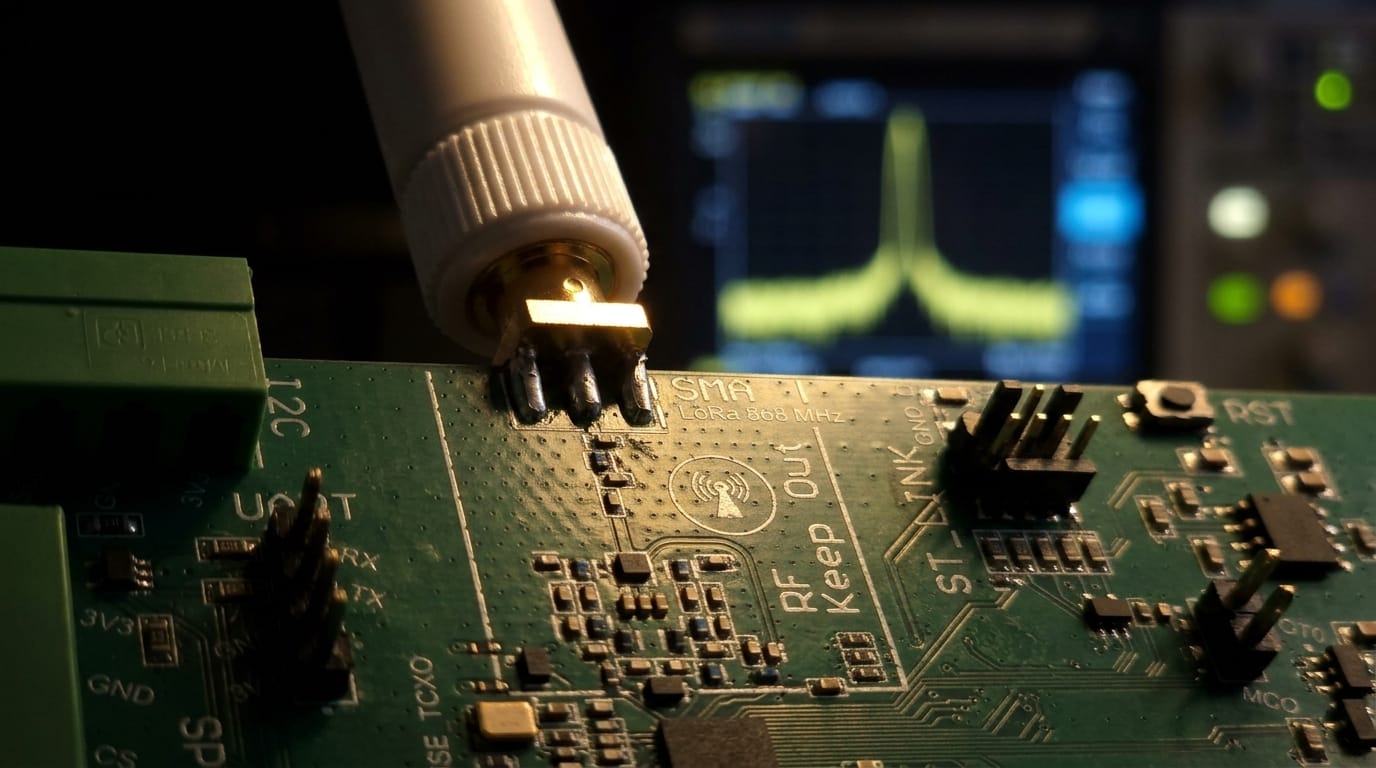
Where Nuna fits
How one shared uplink compares with a satellite terminal, LoRaWAN and a consumer mesh.
Why Nuna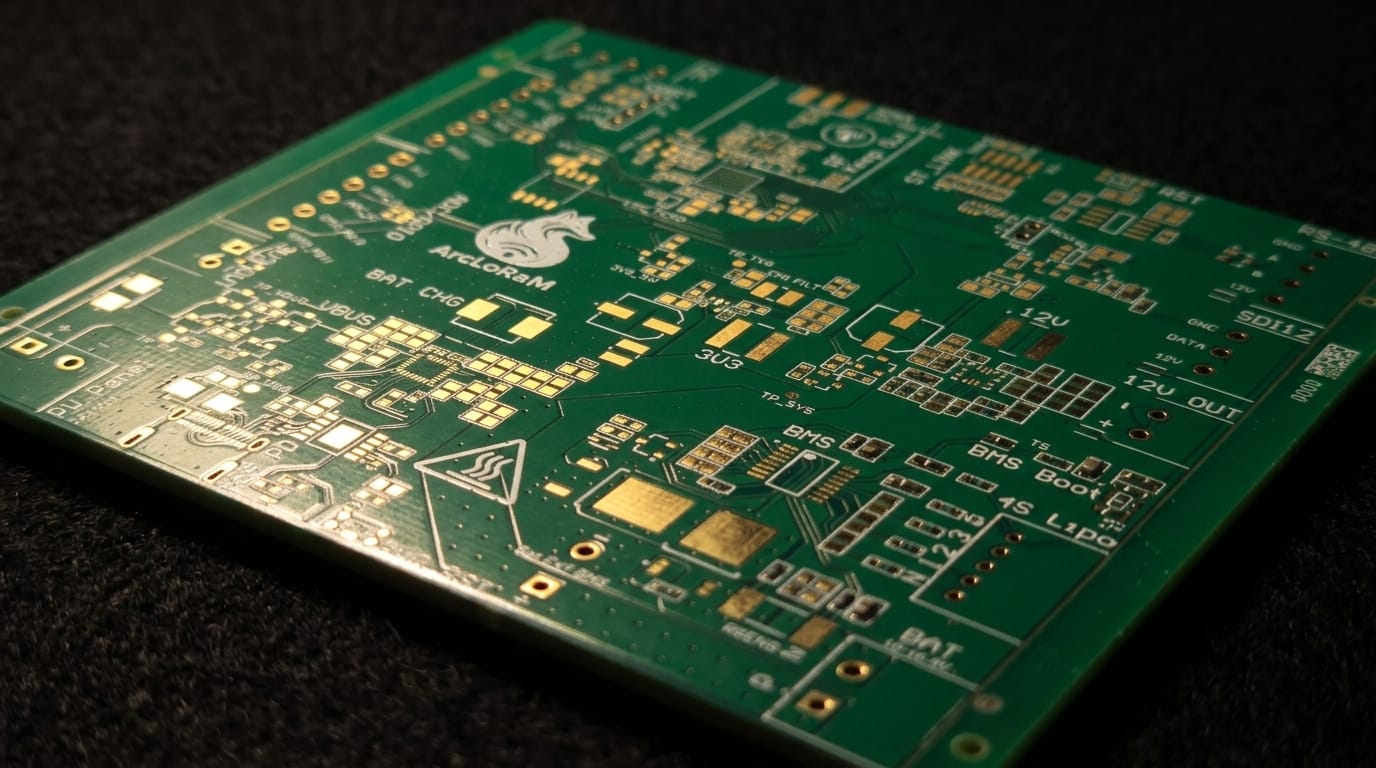
Who is building it
The node started as a bachelor thesis at DTU. Meet the seven people turning it into a company.
About us
What we built
One uplink for a whole site
Nodes relay to each other
One uplink serves the site. Adding the twentieth sensor costs a sensor, not another satellite subscription.
A node that drops out reroutes
The mesh finds another path and the site keeps reporting.
Built for the cold, not adapted to it
Radio, power and timing were designed around the temperature, then tested at it.
Where we are
We tested the node to -40°C in a climate chamber at DTU. We have not deployed in the field yet. First deployment is planned for summer 2027.
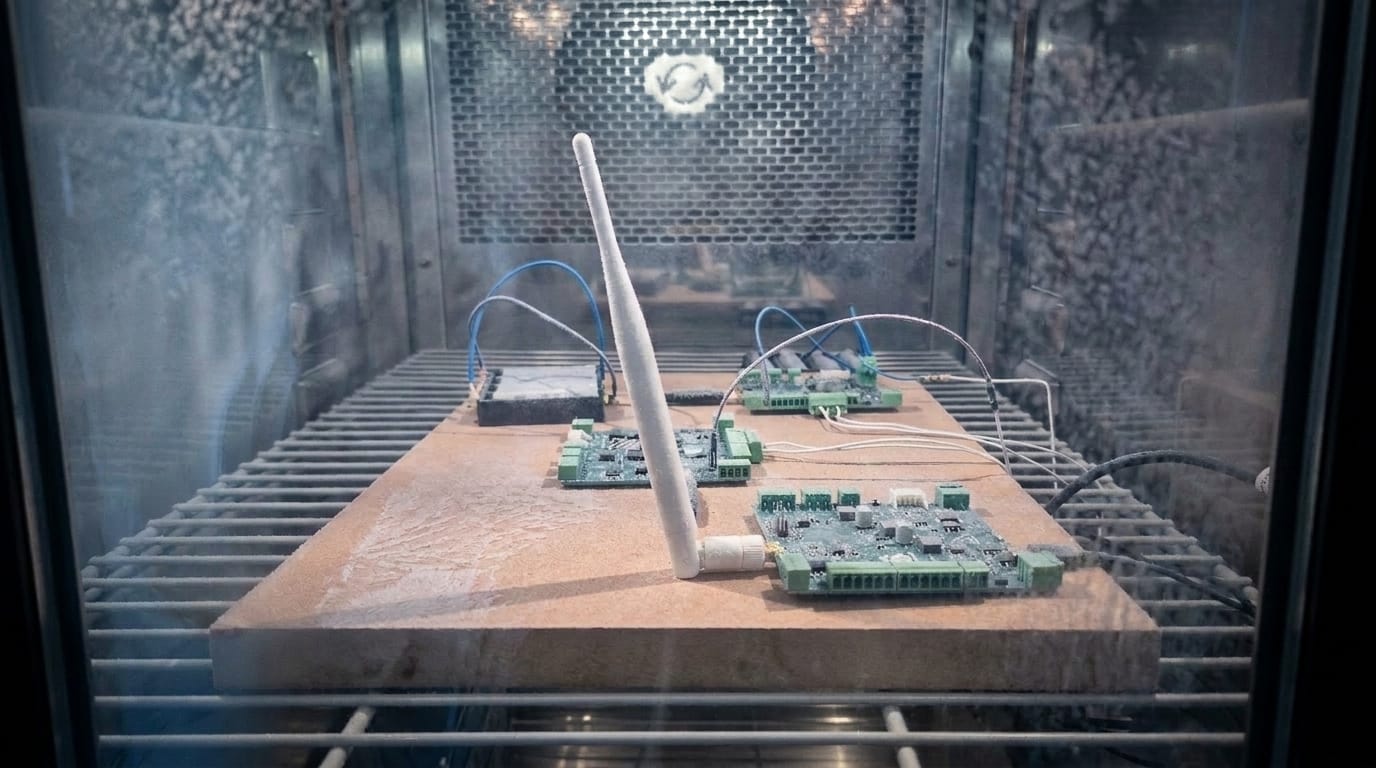
- In a climate chamber at DTU
- tested to minus 40 degrees Celsius
- Packets acknowledged at -40°C
- over 98 percent of about 19,600 packets acknowledged at minus 40 degrees Celsius
- Area one network is designed to cover target
- about 31,000 square kilometres, a V2 design target
- DTU X-Tech2026 winner
 Advancement Award
- DTU SkylabIncubator
We send occasional updates on the build and the first field season.
We use your address to send occasional updates. You can unsubscribe from any email. See our privacy page.